- Oct 6, 2025
Supporting Struggling Readers by Building on Strengths
- Yvette Temple
- Curriculum and Instruction
- 0 comments
Why Strengths Come First
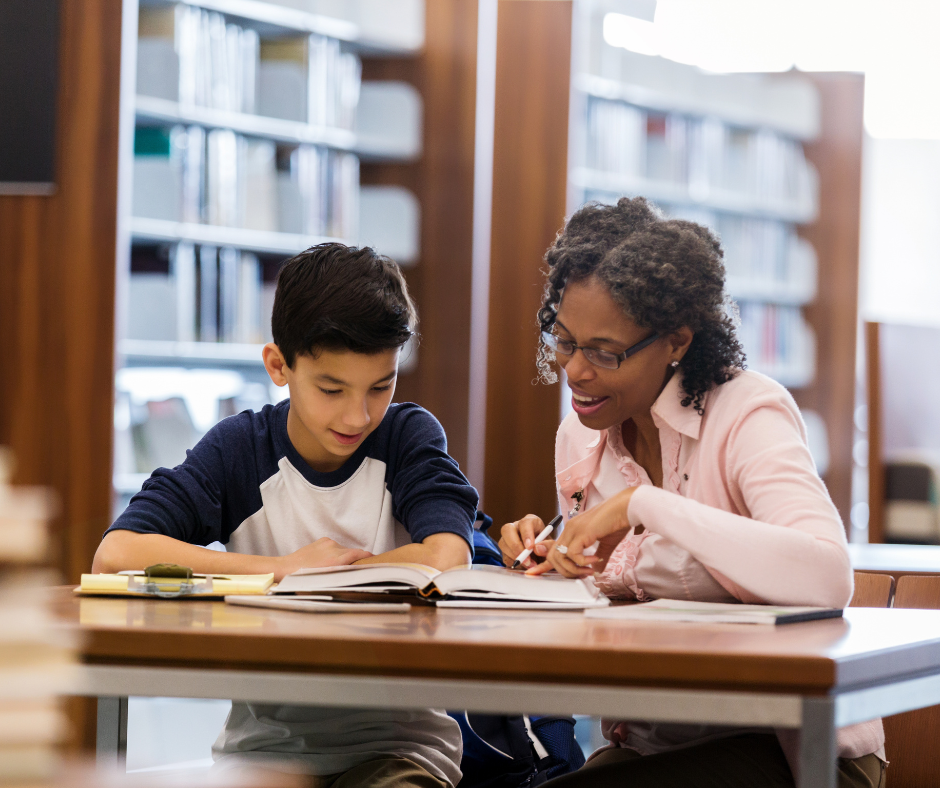
When a middle school student struggles with reading, it’s tempting to zero in on the deficits: missed phonics skills, weak comprehension, slow fluency. But research shows that when we focus only on what students can’t do, we erode motivation and self-efficacy — the very mindsets that fuel growth.
Albert Bandura’s research on self-efficacy reveals that students’ belief in their ability to succeed directly impacts their performance. Likewise, John Guthrie’s work on engaged reading shows that when students are interested and see themselves as capable, they persist longer and learn more.
That’s why building from strengths isn’t just a “feel-good” strategy. It’s the foundation for lasting academic gains.
📌Practical Strategies to Build from Strengths
1. Start with Interests
Use an interest inventory or quick survey to learn what excites students (sports, music, gaming, art).
Stock your classroom library with diverse, high-interest texts — graphic novels, articles, short stories — that align with those interests.
💡 Example: A student who struggles with novels may thrive when reading NBA stats or Minecraft guides. Use that hook to build stamina.
2. Celebrate What They Can Do
Begin conferences or parent calls by naming specific strengths: “She’s such a strong visual learner” or “He has incredible curiosity about how things work.”
Publicly recognize effort, not just achievement. Small wins matter — finishing a page with confidence, contributing to a discussion, or trying a new strategy.
3. Leverage Peer Expertise
Pair struggling readers with peers for collaborative learning, but flip the script: let the struggling reader be the expert in areas where they shine (Remember that interest inventory?).
This builds confidence and shifts the identity from “poor reader” to “valuable contributor.”
4. Build on Prior Knowledge
Tap into what students already know. When reading about ecosystems, ask: “What do you already know about the outdoors?”
Strengths in oral storytelling, problem-solving, or personal experiences can be bridges into text comprehension.
➡️In Closing
When struggling readers experience success and recognition for their strengths, they shift from “I can’t” to “I can.” That mindset shift is the spark that makes targeted instruction effective.
📌 Next Week’s Sneak Peek:
Stay tuned for next week’s post: How Small-Group Instruction Transforms Struggling Readers. We’ll explore how targeted small-group reading instruction boosts skills, fluency, and confidence for middle school students reading below grade level.